Marrakech for Digital Nomads: Where to Stay, Work and Live
Published · Updated
For remote work in Marrakech, confirm the actual WiFi connection first, then choose a neighbourhood that supports your daily routine. Majorelle and Gueliz combine residential streets with access to cafés and everyday services; the medina offers a more immersive but less predictable base for sustained work.
- WiFi: verify the stated speed and keep mobile data as a backup.
- Work setup: check for a dedicated table or workspace before booking.
- Neighbourhood: Majorelle and Gueliz suit practical longer stays.
- Duration: confirm connectivity and day-to-day services before committing.
Marrakech has attracted creative and independent workers for decades — writers, photographers, designers — drawn by its light, architecture and relatively accessible cost of living compared with major European cities. In recent years, the infrastructure for remote work has improved, with better connectivity and a growing number of cafés and co-working spaces in the modern quarters.
Choosing a neighbourhood
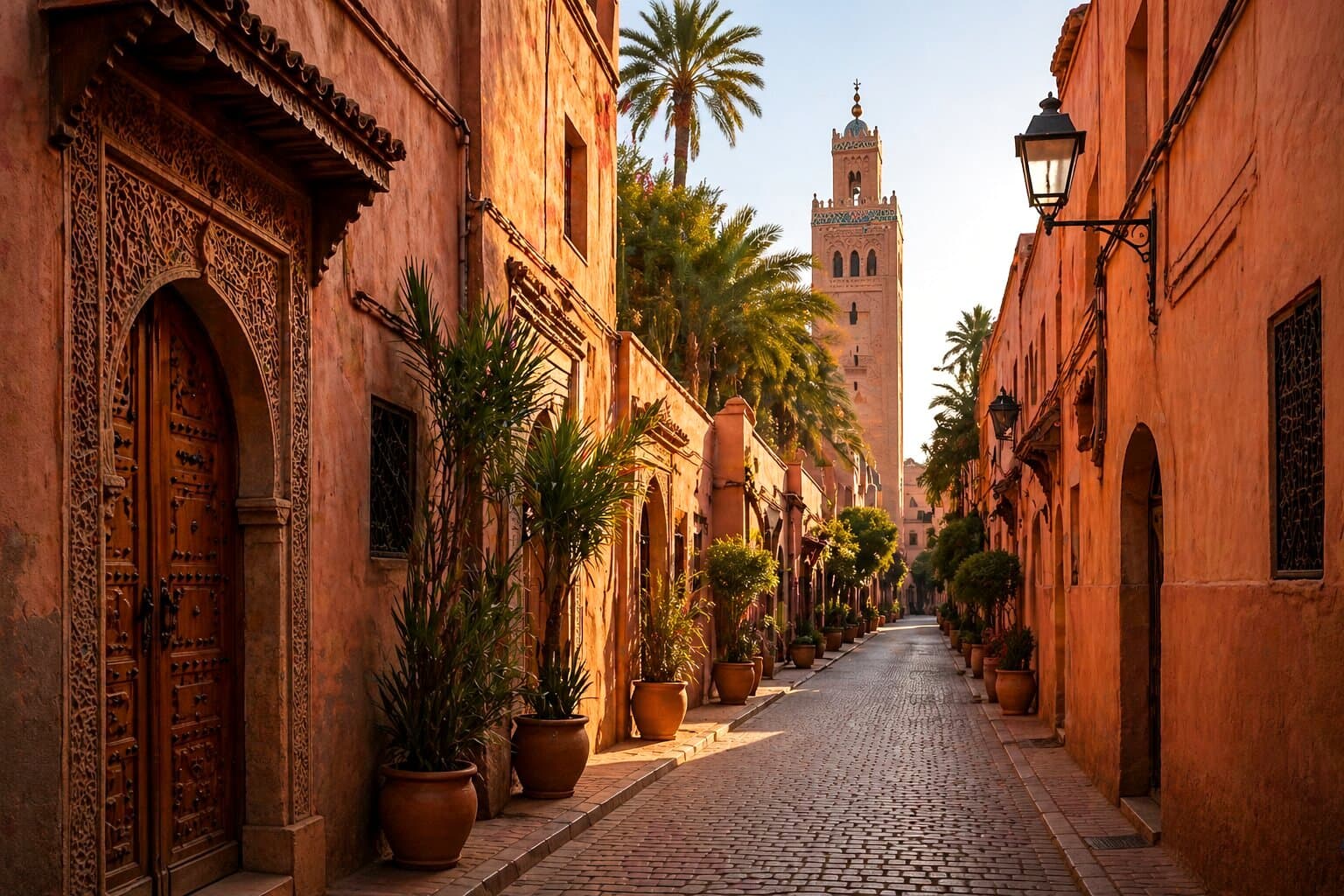
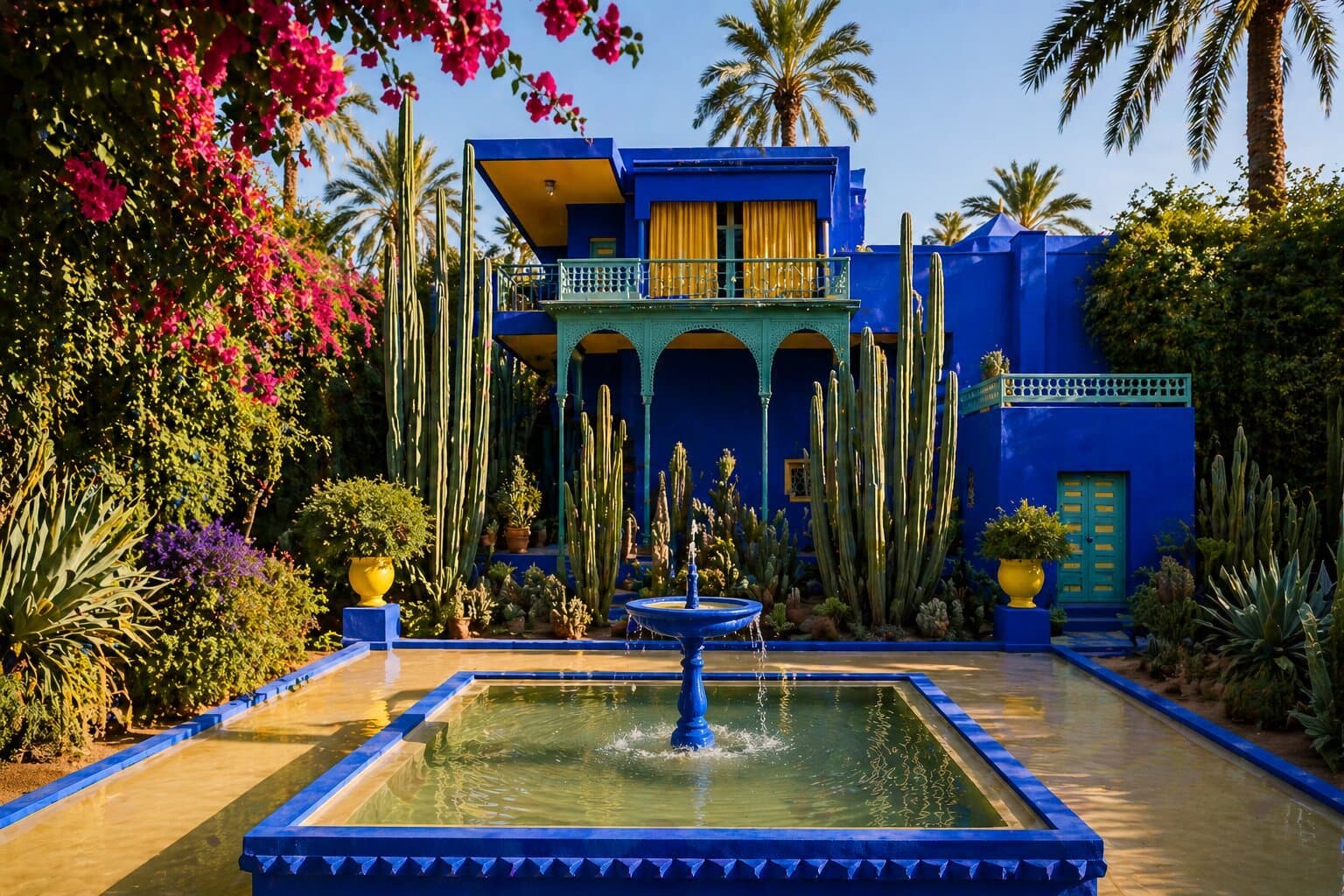
Where you stay has a direct impact on how easy remote work feels day to day. The Majorelle district and Guéliz — both residential, walkable and well connected — tend to work best for longer stays, with steadier internet and easy access to cafés and everyday services. See our guide to Marrakech's districts for a full comparison. The medina can be atmospheric for a short stay, but older buildings and denser streets can make connectivity and daily logistics less predictable for sustained working periods.
WiFi and connectivity
Always check the actual WiFi speed and reliability of any accommodation before committing to a longer stay — quality varies significantly by building and area, and listing descriptions are not always accurate. Fibre connections are common in newer buildings in Majorelle and Guéliz.
Local SIM cards with data plans are widely available and generally inexpensive, and can serve as a useful backup if a fixed connection has issues.
Where to work
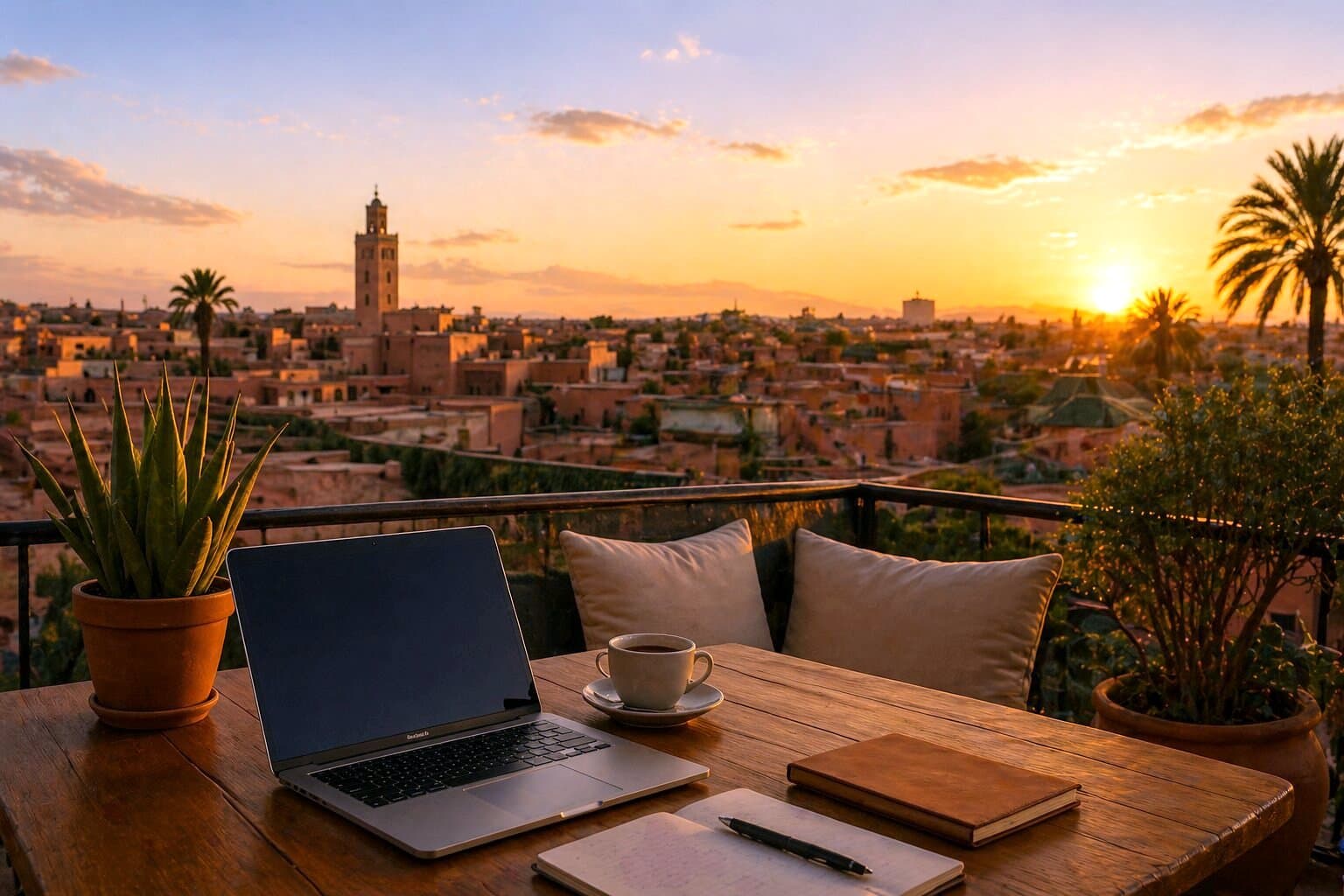
For most remote workers, a well-equipped apartment with a proper desk, good light and reliable WiFi covers the bulk of the working day, with the added benefit of a kitchen and control over your own schedule.
Marrakech's café culture, particularly in Guéliz, offers a good change of environment for a few hours. Co-working spaces also exist in the modern quarters — it is worth checking current options and pricing directly, as availability and operators change over time.
Designed for working stays
Nomad Living's apartments are equipped for remote work — a dedicated workspace, fast WiFi and a calm, residential setting near Jardin Majorelle.
- Dedicated workspace
- Fast WiFi
- Quiet residential setting
Climate and timing
Winter is one of Marrakech's strongest advantages for remote work: cool, sunny days that make it comfortable to work and to be outdoors, at a time when much of Europe is cold and grey. Summer is a different story — the heat is intense for several months and significantly limits outdoor activity during the day, so it suits some routines better than others.
Many long-stay visitors favour the shoulder seasons — broadly October–December and February–April — for a balance of pleasant weather and a livelier city.
Cost of living
Marrakech is no longer as inexpensive as it once was, but accommodation and dining generally remain more accessible than comparable options in major Western European cities. A well-located premium apartment will cost more than a basic medina riad, and prices vary by season and length of stay — it is worth requesting current rates directly rather than relying on older figures.
Entry requirements and stay length
Entry requirements and permitted stay lengths depend on nationality and may change. Check official information before travelling, and avoid relying on this or any other article for current visa or immigration rules.
Where to stay as a digital nomad
Airbnb Superhost · 4.9 Airbnb rating · 500+ Airbnb reviews · 2,000+ stays hosted
Marrakech is not a fit for every remote worker — connectivity, heat and logistics vary by neighbourhood and season, and it is worth planning around those factors rather than assuming everything will work seamlessly. For those who do the groundwork, the Majorelle district generally offers one of the more balanced working environments in the city: steadier connectivity, a calmer setting and cafés within walking distance.
A well-managed apartment — rather than a hotel room — also tends to suit longer stays better: a proper kitchen, a dedicated workspace and a washing machine make a meaningful difference once you are working, not just visiting.
Read more about the Majorelle district or view our apartments.